
Buy a modular house: prices, sizes & providers 2026
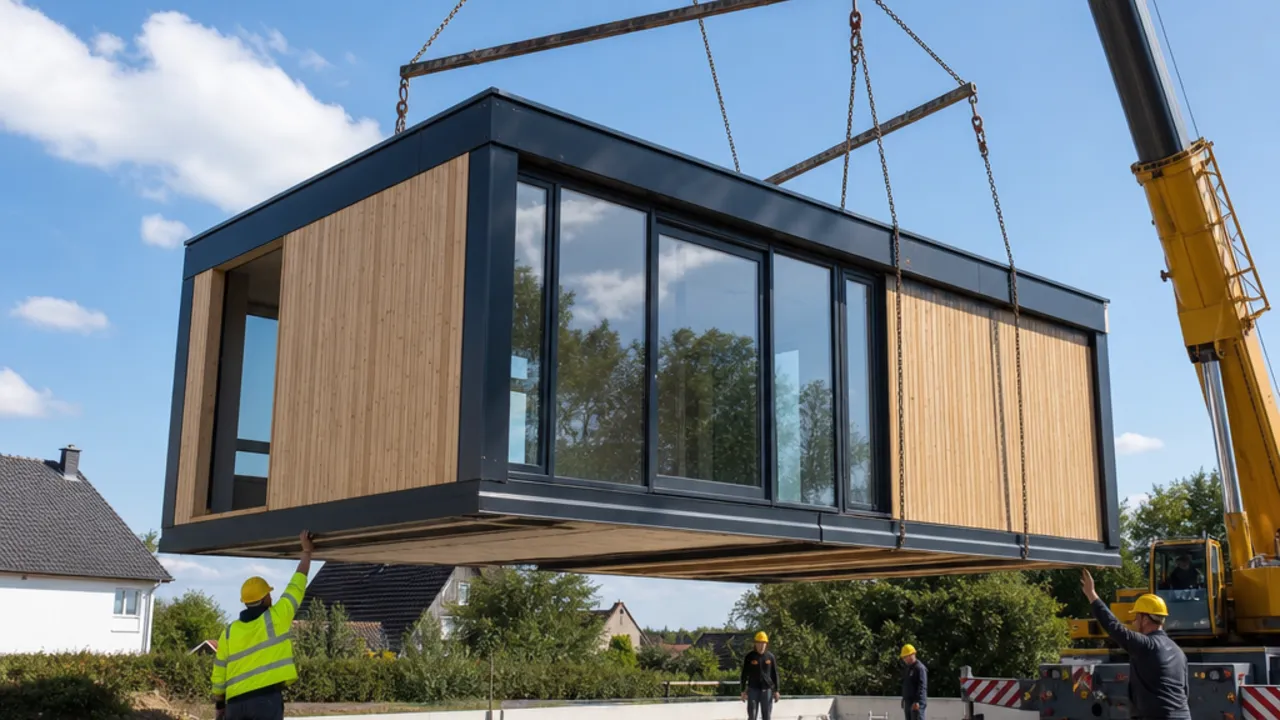
Modular houses are the fastest way to build: fully manufactured in the factory, delivered by low-loader, assembled in one to two days. Whether a micro house, tiny house, single-person home or turnkey family modular house – we show prices, sizes and what matters when it comes to the building permit and providers. And we connect you with suitable quotes free of charge.
From approx. €2,200/m²
Turnkey modular-house prices – small micro houses start from around €40,000.
Assembly in 1 – 2 days
Modules arrive fully fitted out from the factory – including bathroom and electrics.
15 – 130 m² & expandable
From the tiny house to the family house – additional modules make growing possible.
Relocatable & flexible
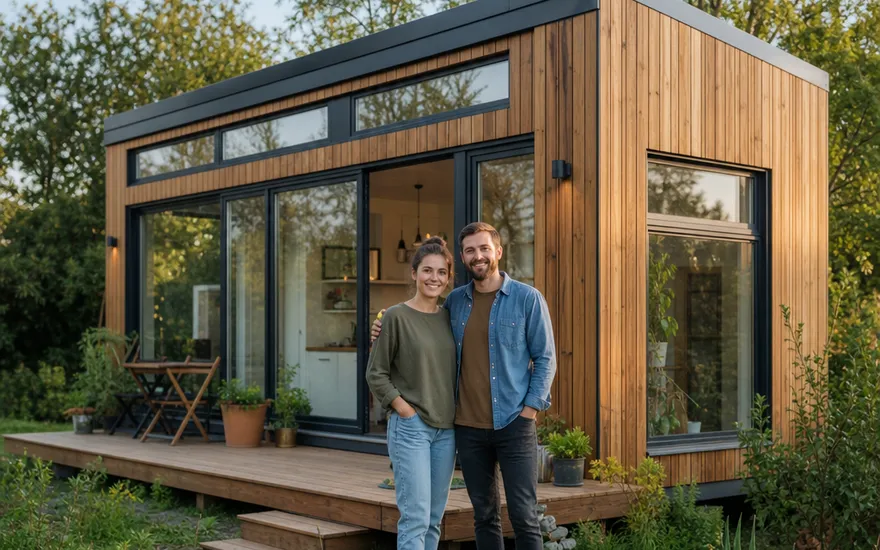
Many modules can be moved later – e.g. from the garden to your own plot.
Modular houses 2026: living from the factory – from the micro house to the family house
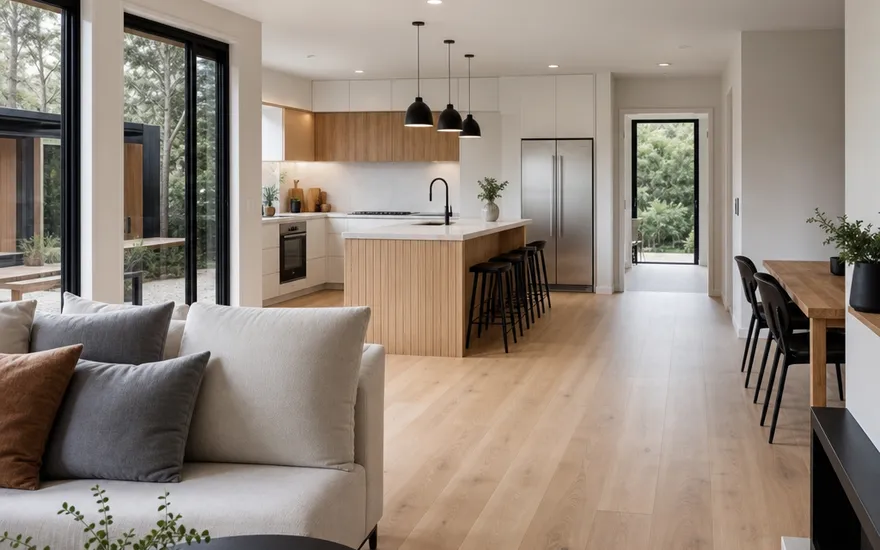
Hardly any house type is growing as fast as the modular house: rising construction costs, a shortage of skilled labour on building sites and the desire for smaller, affordable forms of living are making modular houses, micro houses and tiny houses a serious alternative to classic house building. Unlike a prefabricated house in element construction, the modular house leaves the factory as a completely fitted-out space – with a bathroom, kitchen connections, electrics and floor coverings. On the building site it is then only lifted by crane onto a foundation slab, strip foundation or screw foundations and connected up.
The price question: a small turnkey modular house is available from around €100,000, family modular houses of 100 to 130 m² cost €180,000 to €330,000 – plus the plot, foundation slab (€15,000 to €30,000) and ancillary building costs. The often-advertised "modular house for €50,000" is realistically only available in Germany as a mini variant without a plot and servicing. Beware, too, of "modular-house test winner" lists online: there is no independent test, the rankings are mostly advertising. Instead, compare fixed prices, construction and performance specifications and energy standards from several providers. Anyone who wants to start out particularly compact will find alternatives in the guide buying a micro house as well as in our cost overview of the container house.
Legally: even the smallest permanently inhabited modular house usually needs a building permit – whether in your own garden or on a new plot. And when it comes to financing, a permanently mounted modular house counts as a normal property, including possible KfW subsidies, whereas mobile tiny houses on wheels can only be financed through consumer loans.
Modular-house prices 2026: variants from the tiny house to the family house
| Variant | Living space | Price (excluding plot) | Build time | Note |
|---|---|---|---|---|
| Tiny house / micro house | 15 – 40 m² | €40,000 – 110,000 | from the factory in 4 – 12 weeks | also possible mobile on a trailer – more on the tiny house → |
| Modular house as a single-person home | 40 – 70 m² | €100,000 – 180,000 | 1 module, 1 day of assembly | popular as a retirement home in the garden – more on the single-person home → |
| Modular house for families | 80 – 130 m² | €180,000 – 330,000 turnkey | 2 – 4 modules, 1 – 2 days of assembly | expandable with additional modules |
| Container house | 15 – 90 m² | €30,000 – 150,000 | very short | check insulation & building law carefully – more on the container house → |
| Modular extension / granny annexe | 25 – 60 m² | €80,000 – 160,000 | 1 day of assembly | multi-generation solution on your own plot |
Guide values as of 2026, without guarantee – plus plot, foundation slab/foundation, servicing and ancillary building costs. Prices vary by provider, fit-out and region.
Modular-house quotes: compare free & non-binding
Tell us in 3 steps what you are planning – we put together suitable modular-house and prefab house quotes including prices free of charge.
- Free & non-binding
- SSL-encrypted
- Reply within 24 h
Which type of prefab house fits your plans?
Personal reply within 24 hours
Who is a modular house worth it for – and where are the limits?
- Predictable fixed prices and a very short build time without building-site chaos
- Smaller areas = smaller budget: ideal for singles, couples, seniors
- Expandable and partly relocatable – the house grows with your life
- As a granny annexe or extension: multi-generation living on one plot
Modular construction has limits when it comes to the floor plan (module widths are limited by transport to approx. 4 metres), on sloping plots and with narrow access – the crane needs space. Anyone who plans more than 130 m² or unusual architecture is often better off with the classic prefabricated house in element construction. Compare both construction methods – our cost calculator provides the realistic price range for your project.
Frequently asked questions about the modular house
Answers on modular-house prices, building permit, tiny houses, micro houses, expandability and financing – as of 2026.
What does a turnkey modular house cost?
What is the difference between a modular house, a prefabricated house and a tiny house?
Do I need a building permit for a modular house?
How quickly is a modular house ready to move into?
Is there a modular-house test winner?
Are modular houses expandable?
How well insulated are modular houses – even in winter?
Can I finance a modular house and get subsidies?
Related topics around small & fast building
Prices and guide values as of 2026, without guarantee. Prefabricated Houseis an independent comparison portal: we list providers neutrally and alphabetically, do not award test seals and arrange non-binding quotes. Building law and permit requirements differ by state – the information from your local building authority is authoritative.
